Plenty of dog owners assume that whatever their pet leaves on the grass will simply break down and feed the soil, the way a scoop of manure might nourish a vegetable bed. It is a comforting thought, and it is almost entirely wrong. Dog waste is not the same as agricultural manure, and the difference is written all over lawns that have gone patchy, yellow, and thin. The brown circles and dying rings that appear along a fence line or in a favorite corner are not bad luck or poor watering; they are the direct, predictable result of waste left where it lands.
Grass is a living surface with its own chemistry, and canine waste disrupts that chemistry in several ways at once. Once you understand what is actually happening beneath those brown spots and dead rings, the case for prompt cleanup stops being about tidiness and becomes about protecting an investment you water, fertilize, mow, and pay for every single season. A lawn is one of the most expensive features of a property to establish and maintain, and dog waste quietly undoes that work faster than almost anything else a homeowner overlooks.
The Fertilizer Myth, Debunked
Cattle and horses eat plants, so their manure is rich in broken-down vegetable matter that soil microbes readily convert into gentle, slow-release nutrients. Dogs eat meat-heavy diets, which produces waste that is highly acidic and loaded with nitrogen in a form grass cannot absorb gradually. Instead of feeding the lawn, it overwhelms small patches of it. The comparison to garden fertilizer falls apart the moment you look at what a carnivore’s digestion actually leaves behind, and the pH of that waste is often hostile to the very grass it sits on. Treating it as free lawn food is not just ineffective; it is actively counterproductive.
Why Urine Burns Leave Yellow Rings
The classic yellow spot with a darker green halo is a nitrogen story. Concentrated urine dumps more nitrogen onto a single spot than the grass there can absorb, scorching the center while the diluted edges receive just enough to grow lusher and greener. Female dogs and any dog that empties its bladder in one favorite corner tend to create the most dramatic rings, and repeated visits to the same spot can kill the turf entirely. Diet and hydration play a role too: a well-hydrated dog produces more dilute urine, which spreads the nitrogen load and does less concentrated harm to any one patch of grass.
Solid Waste and Soil Chemistry
Feces work more slowly but no less destructively. As waste sits, it raises the acidity and salt content of the soil directly beneath it, creating conditions that grass roots cannot tolerate. Unlike a quick urine burn, a pile left for a week or two smothers and chemically alters the ground under it, so even after you finally remove it you are left with a dead circle that refuses to green up on its own. Rebuilding that soil often means loosening it, adjusting the pH, and reseeding, all to reverse damage that a single timely pickup would have prevented outright.
The Slow Suffocation of Turf
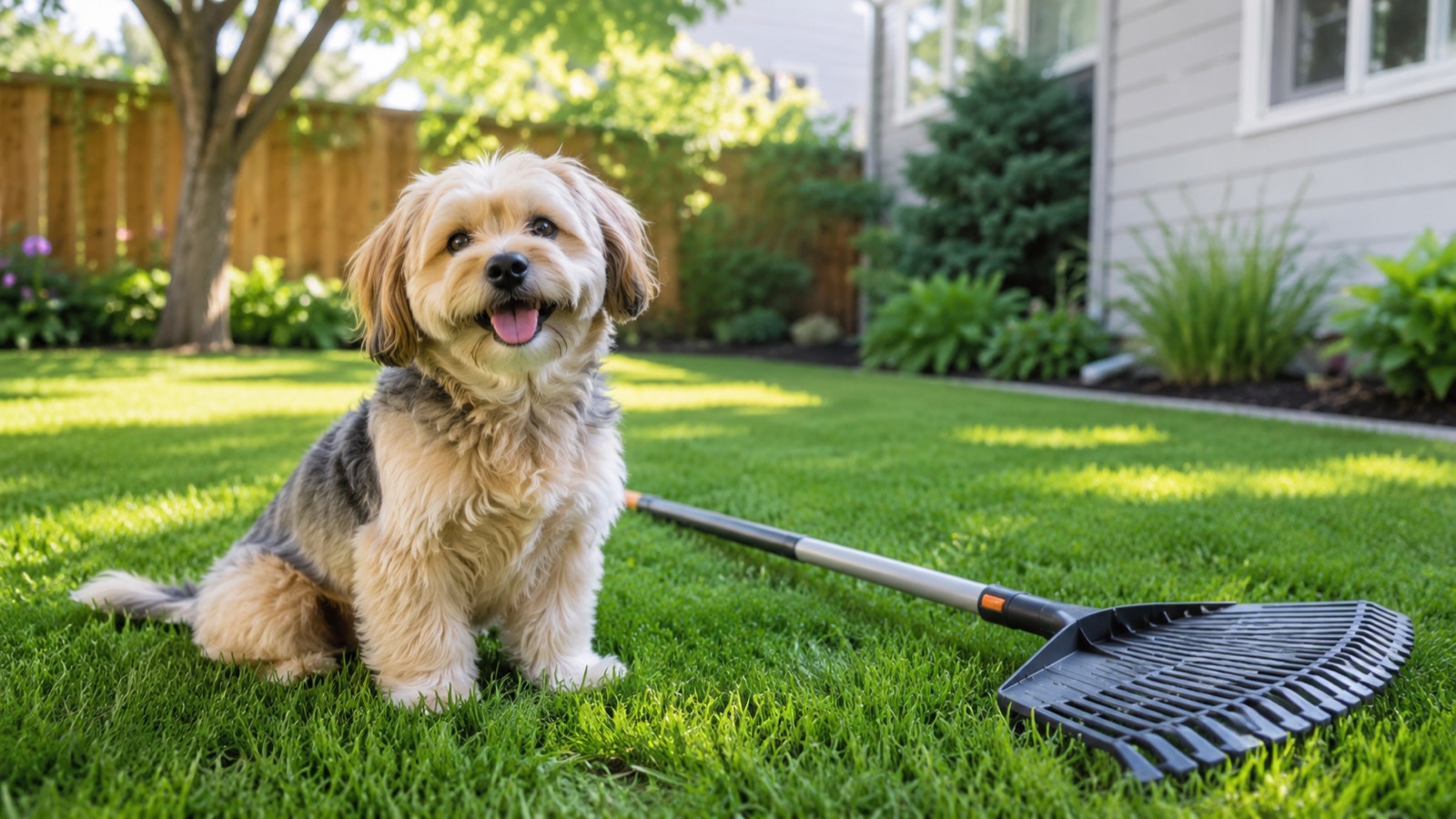
Grass blades need light and air, and anything resting on them for days blocks both. A neglected yard accumulates waste faster than most owners realize, and each pile shades and compresses the blades underneath while trapping moisture that invites fungus and mold. Clearing the lawn on a daily rhythm keeps this from ever starting, and the easiest way to make daily pickup painless is a long-handled tool that lets you work without stooping over every deposit.
A well-made Pooper scooper company builds rakes and scoops that let you clear an entire yard in a few minutes without bending over or gagging, which is exactly what turns cleanup from a dreaded chore into a quick daily pass you barely think about.
Bare Patches, Weeds, and Repair Costs
Once turf dies back, nature does not leave the gap empty. Weeds, which tolerate poor soil far better than lawn grass, move into the bare patches and spread outward, and once established they are stubborn to remove. Homeowners then spend money on reseeding, soil amendments, herbicides, and weed control to undo damage that consistent cleanup would have prevented for free. The bare spots also compact and erode more easily, turning a cosmetic problem into a drainage one.
When the damage is already extensive, some people bring in help to reset both the yard and the routine. Scheduling recurring pickups through reliable local experts can give a beaten-down lawn the steady, reliable clearing it needs to recover and hold its ground.
Prevention Beats Reseeding
The math strongly favors prevention. A few minutes of collection a day costs nothing but time, while repairing a ruined lawn means bags of seed, topsoil, and weeks of watering with no guarantee the new grass survives the next round of waste. Removing solids promptly and rinsing heavy urine spots with plain water to dilute the nitrogen keeps most lawns healthy year-round, and a deep, infrequent watering schedule further helps flush salts through the soil before they concentrate.
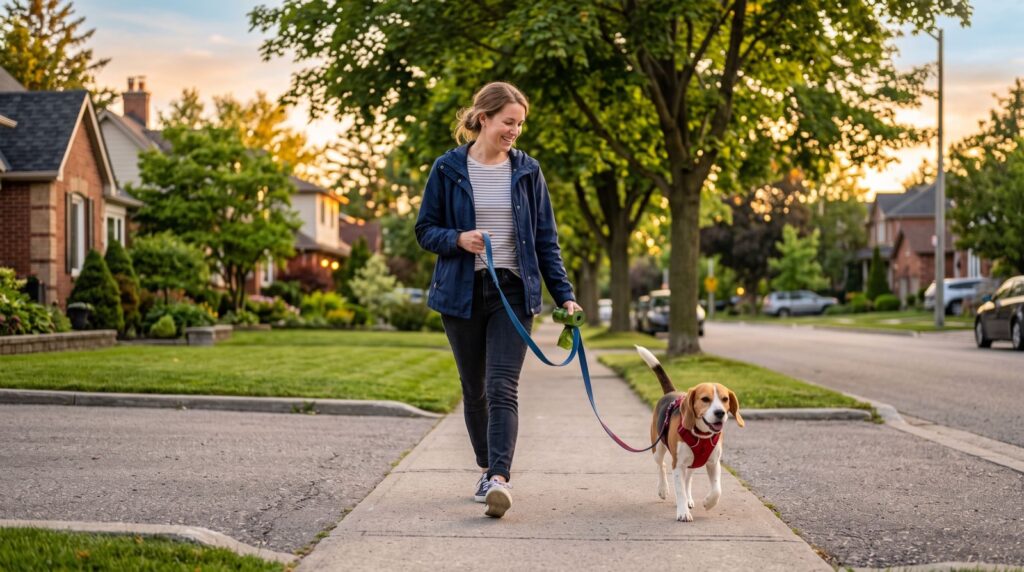
Disposal is part of prevention too, because waste dropped in a bin that leaks just relocates the problem to another patch of ground. Bagging each pickup in tear-resistant heavy duty bags keeps collected waste sealed until trash day and stops it from souring the soil around your cans or leaching into the driveway.
Key Takeaways
- Dog waste is acidic and nitrogen-heavy, so it damages grass instead of fertilizing it.
- Urine burns leave yellow centers ringed by darker green where the nitrogen is diluted.
- Solid waste left in place alters soil chemistry and kills the turf beneath it.
- Bare patches invite weeds, erosion, and costly reseeding and repair.
- Daily removal plus diluting urine spots with water prevents nearly all of this damage.
A Greener Lawn Starts With Pickup
The lushest yards on the block are rarely the ones with the most expensive fertilizer; they are the ones where waste never gets a chance to sit. Treat cleanup as basic lawn care rather than an afterthought, keep a good tool by the door, and the yellow rings and dead circles simply stop appearing. Your grass, your bare feet, and your reseeding budget will all be better for it, and the yard stays a place the whole family actually wants to use.